Happy Schools
Our most popular programme, now running in over 20 local schools!
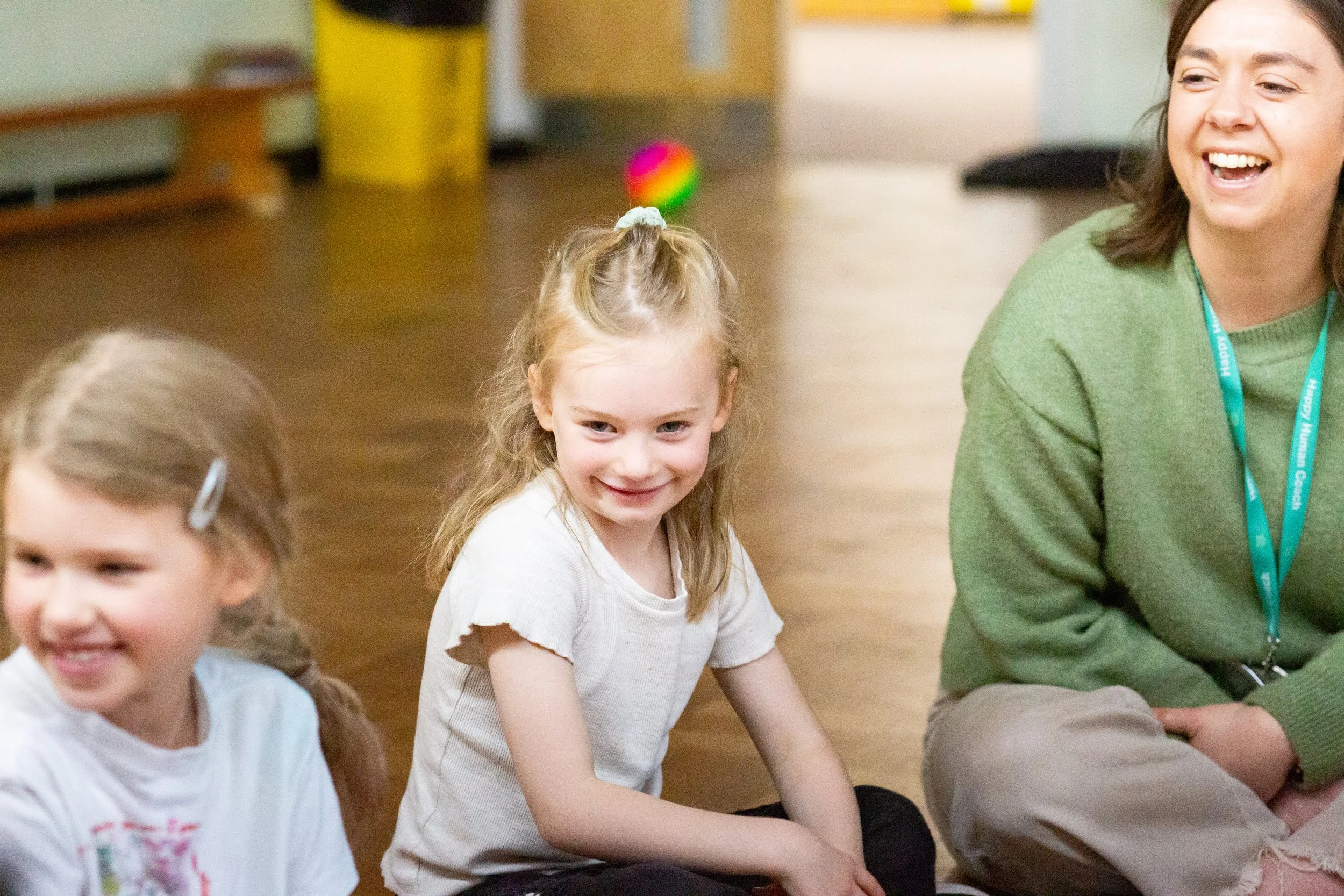
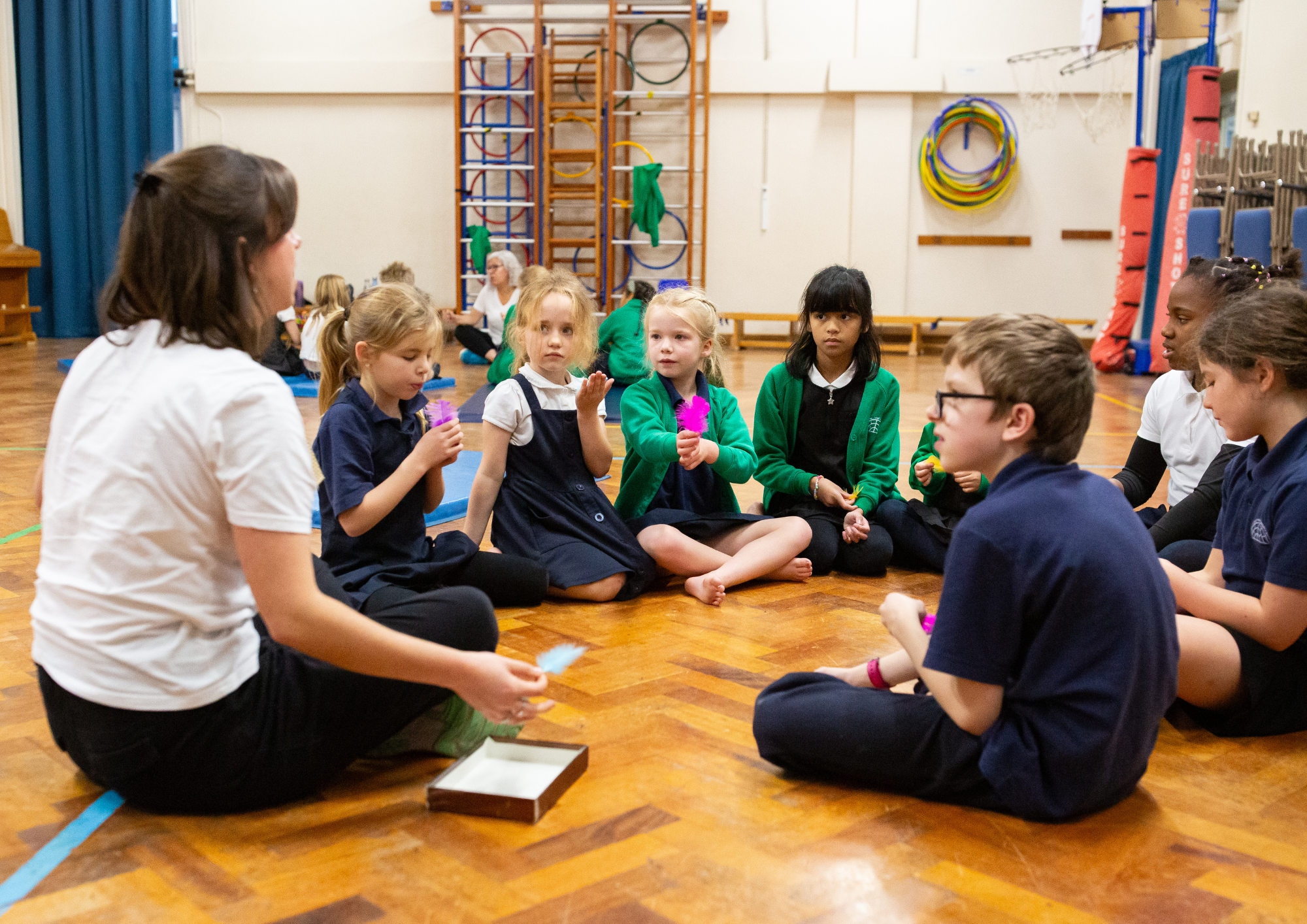
Our Happy Schools Programme is a 12-week curriculum that runs in line with England’s national curriculum, helping schools to support the emotional wellbeing of every student.
Our weekly sessions are designed to teach children practical strategies to self-regulate and feel calm, and follow our 5-step method which includes Connect, Play, Be Kind, Soothe and Relax.
The Happy Human Project supports children from the ages of 3-12 and we work with Nurseries, Schools, Youth Groups and Charities. Our sessions are flexible and often tailored to the children. We run sessions in classrooms, halls and smaller community rooms - you name it, we’ve done it!
Some examples of how we work with children are:
-
Full classes of 30 children for one hour a week, for 12 weeks
-
Full classes of 30 children for one hour a week, for 12 weeks
-
After-school clubs for children in Years 1-6
-
30-minute breakfast clubs, getting the children ready for the day
-
30-minute lunchtime clubs
-
Staff INSET training sessions
-
Full-school wellbeing days, with each class experiencing an emotional wellbeing workshop
-
One-off emotional wellbeing sessions for Brownies, Scouts etc.
-
12-week blocks of sessions with private Nurseries
-
Weekly community sessions for children aged 5-11
Our 5 steps to happy, calm and confident kids
A typical session will include:
-

Connect
Emotional check-in, group discussions and learning about the brain
-

Play
Fun games and movement building social confidence and releasing stress
-

Grow
Using positive affirmations and gratitude to buid self-compassion
-
Soothe
Learning breathing, massage and tapping techniques for calming the mind
-
Relax
Gentle visualisation and relaxing stories to calm the body
-
![5 star review - five stars]()
“The sessions have helped the children to explore their emotions more, to understand what they are feeling and have the strategies to help them self-regulate. They have helped some children to be more open and confident to talk about their feelings and gain a better understanding of their classmates too. The whole class always looked forward to their sessions with Charlotte, enjoying the games they played very much. As time went by, the ability to stay focussed during the meditations improved in all children.”
Mrs Turner, Teaching Assistant at Westfield Primary School, Berkhamsted
-
![Five light blue five-pointed stars aligned in a row.]()
“Charlotte has worked with our school for several years, working with individuals, small groups, whole classes as well as staff. All of her sessions have been planned to meet the needs of the group; and it has been great to have her providing weekly links to her wellbeing sessions for pupils. Our pupils both at home and in school have enjoyed joining in and they are learning different ways of coping, relaxing and exercising.”
D. Bloomfield, SENCO at Hammond Academy


Running in Schools across Hertfordshire








What the kids are saying!
Various pupils at Waterside Academy, Welwyn Garden City
-
![Five light blue five-pointed stars aligned in a row.]()
"We had to act out we are going on a bear hunt. We had to climb the stairs." (Yr1)
Year 1 pupil
-
![5 star review - five stars]()
"Today we did a wellbeing class. We did meditation on our brains and how we can calm down after a fast activity. After this I’ve never felt so good. I don't know how it worked!"
Year 6 pupil
-
![5 star review - five stars]()
"I want to do it more often. It is relaxing and made me not worry about bad things."
Year 4 pupil

International Practitioners
of Holistic Medicine
Accredited Training Provider
The Happy Schools Programme is accredited by IPHM